Do not apply an apple or citrus programme to the date palms of Bushehr and Bam. Boron, potassium, water quality and a properly timed leaf analysis build the crop, not scattered winter nitrogen.
The date palm in Bushehr, Abadan and Shadegan, Minab and Rudan, and Bam in Kerman stands in a climate that combines heat, high evaporation and, very often, saline water. The tree is tough, but the quality from khark to ripe date, and the severity of alternate bearing, depend on precise nutrition. The common mistake is to take the programme for apple in Isfahan, citrus in the north, or even pistachio in Rafsanjan and apply it to the palm with minor adjustments. The palm has shallow, wide-spreading roots, long waxy leaves, no chilling requirement, and a calendar of nutrient uptake that does not match temperate trees. Many date groves are still run on scattered manure and occasional nitrogen. The result is more severe alternate bearing, dieback of the lower fronds and poor fruit filling. The programme must start from a leaf analysis and the water quality of that particular well, because the surface soil at the foot of the trunk never represents actual uptake.
A properly timed leaf analysis: the palm's own language
A date frond is sampled at a defined age and position. A dry lower frond and a very young heart leaf both skew the figures. The right time is usually mid-season and before the peak of fruit demand, so that intervention is still possible in the same year. Potassium, boron, nitrogen and sometimes magnesium and iron are the figures that move most in the south. The interpretation has to be read together with the cultivar — Mazafati, Kabkab, Piarom, Zahedi and the local cultivars of that district — and with that year's crop load. A tree carrying many bunches spends more potassium from the leaf reserve; comparing it with a lightly loaded tree in the same grove is misleading if the load was not recorded. A composite sample from several palms of the same age and cultivar is better than one frond from the strongest tree by the road.
Boron deficiency in the palm shows as disturbed growth of the new leaf, deformity of the rachis and weak fruit set. An excess of boron — which occurs in some waters of Hormozgan and Bushehr — gives leaf-tip scorch and reduced growth. These two must not be answered with one fixed annual blended fertiliser. Look at the well water for both boron and salinity; sometimes the soil is poor and the water rich, and a soil application of boron completes the toxicity. Potassium plays a role in fruit size, ripening and heat tolerance. In the sandy coastal soil of Bushehr and part of Khuzestan, potassium leaches easily and must be given in several splits with irrigation, not in one heavy winter dose as in an apple orchard. Nitrogen builds leaf growth, but too much nitrogen at the end of the season delays ripening and raises susceptibility to the pests of weakness.
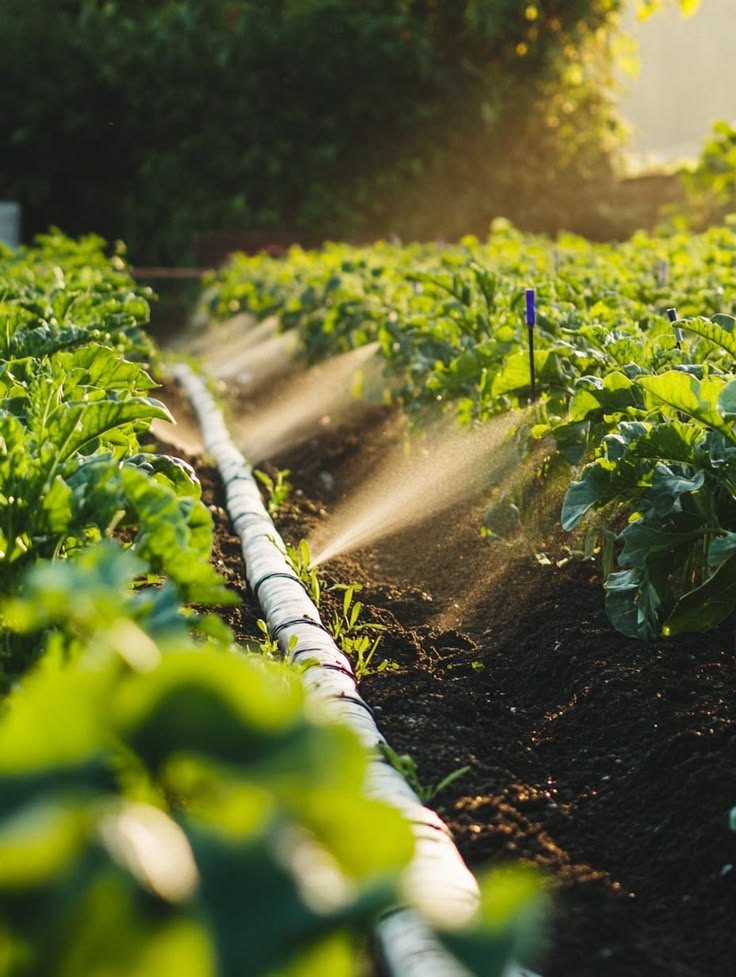
Irrigation quality is the vessel of nutrition, not a separate job
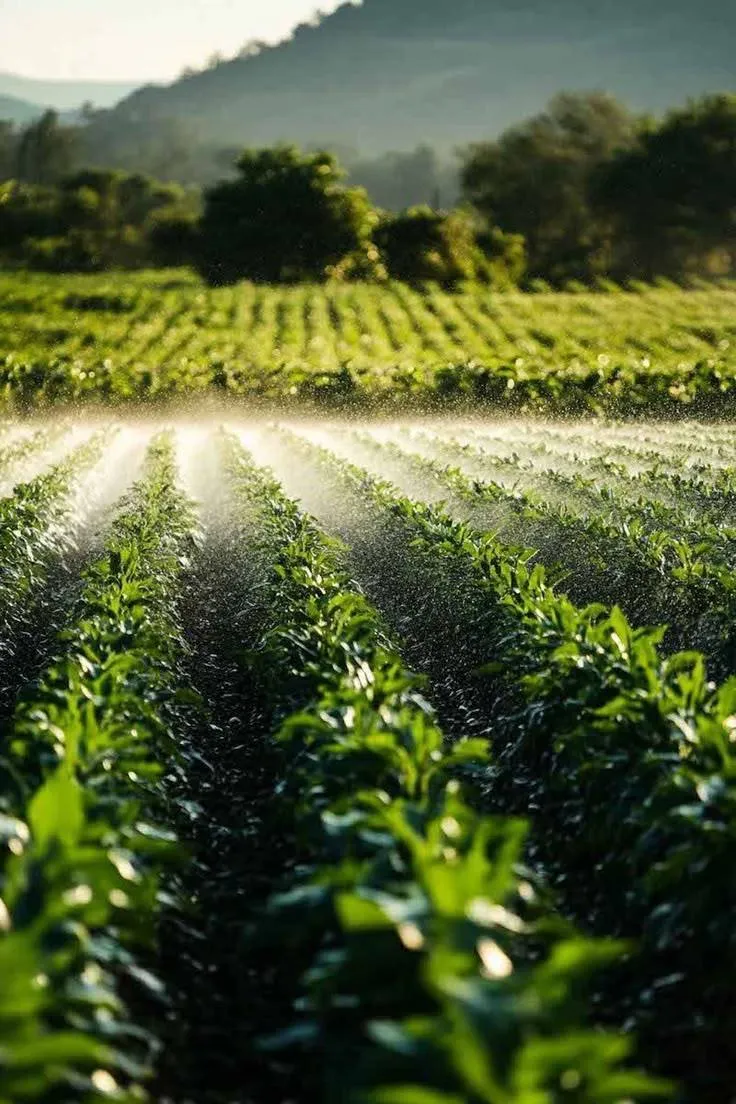
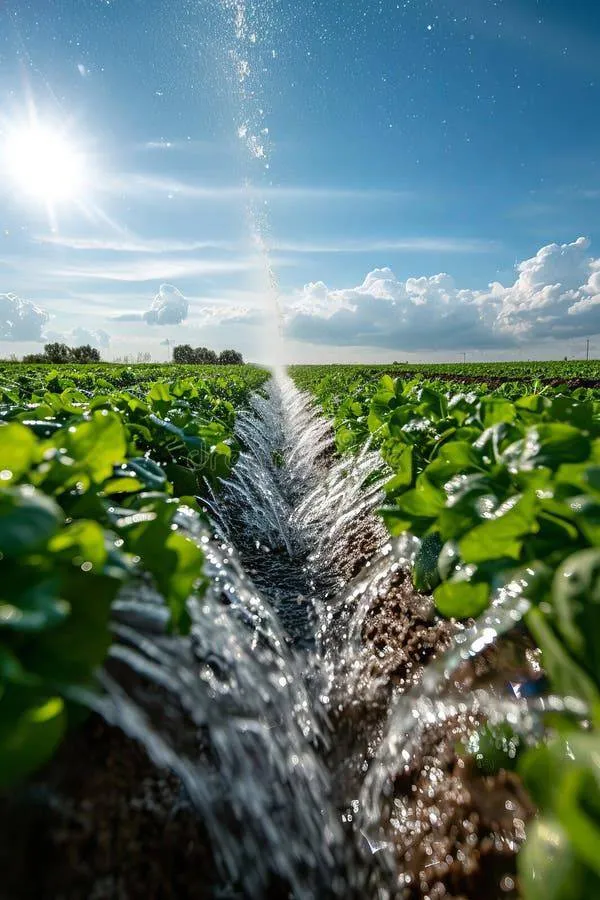
The palm has wide, shallow roots. Irrigation has to keep the wetting bulb within that same spread. Flooding at the foot of the trunk in a traditional grove keeps the collar damp and invites fungal disease. A drip ring does the same if the dripper is pressed against the trunk. In Bam and the groves on the desert margin, saline water makes a leaching fraction compulsory. Write the water EC figure on the programme sheet. Water with a high conductivity means the interval and volume must be set so the salt leaves the edge of the bulb, and the soluble fertiliser must go in mid-irrigation so it does not get caught in the salt front. In the Khuzestan summer, a sudden water stress causes fruit drop and shrivelling; in that state no element is taken up even if the sack has been opened.
Programmes for temperate trees are usually built on one heavy winter application and a few spring foliar sprays. On the palm that pattern works poorly. The height of the crown and the waxy leaf leave the spray coverage incomplete. Wide roots and a long summer irrigation season mean the element has to move with water and in several splits. A prescription written for peach or apple puts nitrogen and phosphorus first and treats boron, potassium and water salinity as secondary. In the south that priority is inverted. If you have not read the leaf and the water, a complete fertiliser, imported or domestic, is a guess either way.
- Keep the irrigation ring away from the trunk and the collar dry.
- Split potassium from fruit set until just before ripening.
- Set boron only from leaf and water figures; a fixed annual blend is dangerous.
- Unrotted manure at the foot of the trunk creates local salinity and attracts pests.
Do not mix iron and zinc up with boron
In Bam and parts of Bushehr where the soil is calcareous, yellowing of the new leaf can be iron chlorosis. Soil-applied iron sulphate is fixed here too. A chelate stable at high pH, or application together with organic matter in the root band, is more sensible; EDDHA in carbonate soil follows the same logic as in the plateau orchards. Zinc plays a role in bunch formation and young leaf growth, and its deficiency, with curling of the new leaf, is sometimes mistaken for boron deficiency. Leave the diagnosis to a laboratory. Foliar spraying on a palm is difficult because of the leaf wax and the height of the crown, and incomplete coverage gives an incomplete effect. Let the soil route and irrigation remain the pillars of the programme. Add a micronutrient when the leaf has shown the deficiency, not because it appeared in an apple prescription.
Too much nitrogen makes a hungry palm leafy, and too little potassium makes its fruit weak. Read the leaf and the water EC, then open the sack.
- Every year or every two years: a standard leaf analysis and a well-water analysis including EC and boron.
- Winter: rotted organic matter in the root band, away from the collar; gypsum if the sodium of the water or soil is high.
- Start of growth: nitrogen based on the leaf; iron only in case of chlorosis and high pH, with a suitable chelate.
- Fruit set to fruit filling: split potassium with irrigation; monitor boron for both deficiency and toxicity.
- After harvest: assess the load and quality cultivar by cultivar; drop the copied temperate orchard programme.
Date palm nutrition in Bushehr, Khuzestan, Hormozgan and Bam, without leaf figures and without managing water salinity, is the repetition of a habit. Boron has two faces, potassium must be split, and the collar must not stand in water. Do not apply the apple and citrus programme here. For the date groves of the south, Farin Kesht Taban writes the programme around the leaf analysis, the water EC and the distance of the irrigation from the trunk, not around one nationwide nitrogen prescription.