In a calcareous orchard, dripper placement, the wetting pattern, iron and lime clogging, cautious acid flushing, pulse irrigation and the salt at the wet edge have to be seen together, not as separate lines in a programme.
Drip irrigation in Iran's calcareous orchards — from Isfahan and Qom to Kerman and Yazd — is both an opportunity and a trap. The opportunity is that you deliver limited water to the active roots and wet the canopy less. The trap is that carbonate, iron and suspended particles clog the drippers, the wetted pattern stays small, and salt gathers exactly where the roots have to work. Much of the iron chlorosis and marginal leaf scorch that gets blamed on fertiliser is in fact a map of wetting and of water quality. Before changing a filter or buying acid, Farin Kesht Taban first looks at dripper placement and wetting depth with a spade. Without that picture, acid flushing only scours the pipe and leaves the orchard where it was.
Do not put the dripper at the foot of the trunk
A first-year sapling needs one dripper near the root ball so its small root volume stays moist. A four-year-old tree has grown past that single point, and much of the canopy shade stays dry. The right position is on the current dripline circle — where the absorbing roots are active — not pressed against the collar. Pressing a dripper to the trunk keeps the collar wet and diseased and leaves the roots lazy and shallow. As the tree grows, move the line or add a second ring. In mature rows of apple and pistachio, two drip lines on either side of the row build a more symmetrical pattern than one line that always wets the same side. Set the dripper spacing by soil texture: in sand, water goes down vertically and you need more emitters, or a lower flow over a longer time; in clay, there is more lateral wetting, but there is a risk of suffocation and surface runoff.
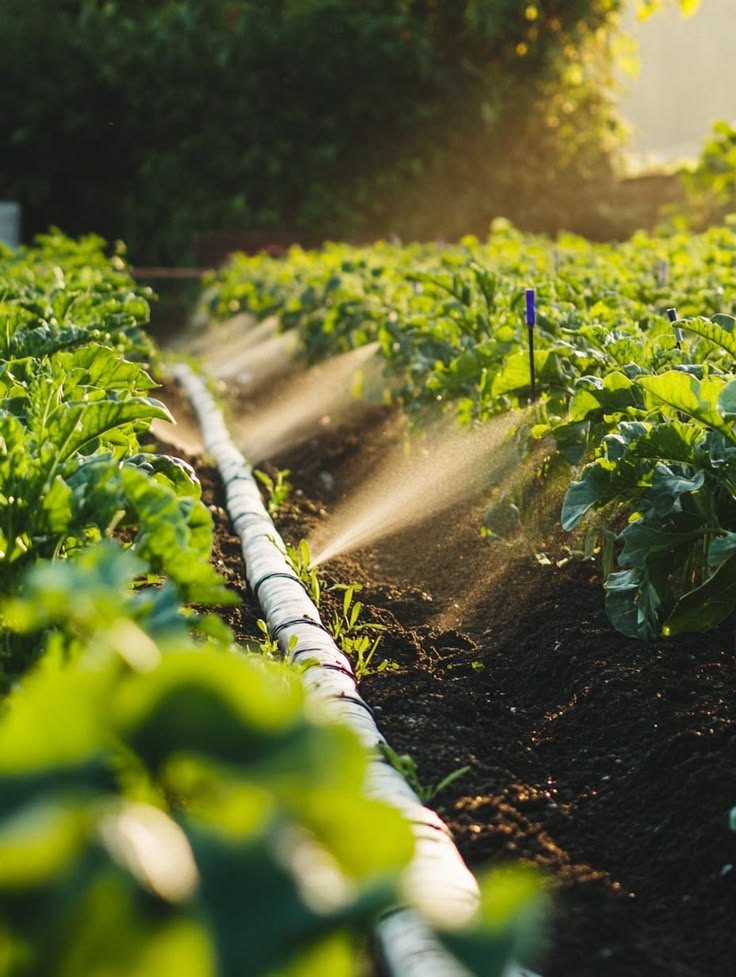
The wetting bulb and the salt edge
Water moves out from a dripper in the soil as a bulb or a teardrop. The middle of the bulb is wetter, and its edge is where the water runs out and the salts stay behind. In Iran's rainless summers, that edge gets stronger with every application. The roots retreat from a very wet centre and meet salinity at the margin. The result is a tree that looks thirsty in locally wet soil. The remedy is a combination: set the irrigation interval so that each bulb reaches the next without flooding the collar; every few applications, give a controlled leaching with a larger volume to push the salt below the active roots; and put proper mulch on the surface so evaporation over the bulb does not draw the salt up. If autumn rain comes, that is a natural leaching; do not spread a saline fertiliser over it again.
Iron and lime clogging
Well water on many central Iranian plains is hard and alkaline, and dissolved iron is not scarce either. On entering the pipe and meeting the air, calcium carbonate and iron oxide precipitate. Sand and disc filters, if they are not properly flushed, become a source of particles themselves. A pressure-compensating dripper resists better than a simple orifice, but not forever. The signs of clogging are a drop in flow at the end of the line and one side of the row drying out. Before reaching for acid, open the filter, measure the flow of several drippers with a container and a stopwatch, and send a water sample for hardness, pH and iron. Sometimes the problem is biofilm and root intrusion inside the dripper rather than lime; acid does not help there and can even be dangerous.
- Filtration matched to the well water; scheduled filter flushing, not whenever you remember.
- Flow measurement at the start and end of the line at a defined operating pressure.
- A cheap disposable dripper in calcareous water carries a hidden replacement cost.
- Phosphate fertigation and some iron products intensify precipitation; check compatibility before injecting.
Acid is first about the safety of the pipe, then the safety of the roots. If you pull the pH down without calculation, the roots take the very precipitate you were trying to dissolve.
Cautious acid flushing and pulse irrigation
Periodic acid flushing at a calculated dose can reduce carbonate deposits. Do not confuse this with pouring battery acid into the tank. The type of acid, the concentration, the contact time and the neutralisation must all be on paper, and corrosion-resistant equipment must be used. After the acid, enough water is needed to flush the line and the soil around the dripper so no acid front sits on the roots. In strongly calcareous soil, acid temporarily softens the irrigation water but does not change the soil's lime reserve overnight, and you should not expect a miracle with chlorosis. Pulse irrigation — several short applications spaced through a day instead of one long one — gives the bulb better oxygen in medium to heavy soils and reduces runoff. In sand, a very short pulse may never reach depth; the soil texture sets the pulse length, not fashion.
- Update the dripper layout with the tree's age and canopy shade.
- Once in the hot season, measure the depth and width of wetting with a spade at several points.
- Put numbers on flow and clogging; correct the filtration before the acid.
- If acid is needed, write down the dose and the safety measures, and protect the roots by flushing after the acid.
- Put pulses and salt leaching into the summer calendar, particularly when there is no rain.
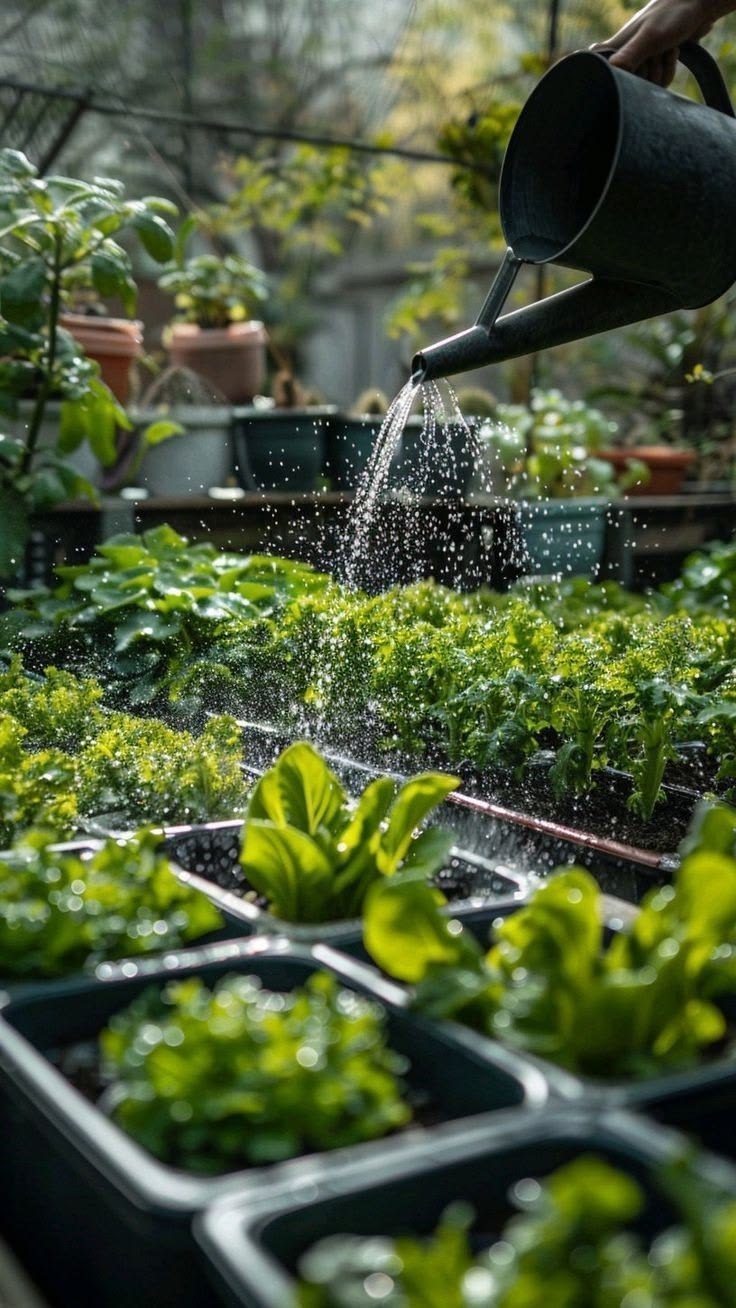
In an orchard just converted from flood to drip, treat the first year as a year of learning the wetting map. The trees are used to wide wetting and do not suddenly understand two small points; add drippers sooner than you think you need to, and measure the flow on July middays rather than only in April. Concentrated nitrogen fertigation in hard water both creates precipitate and burns the roots inside a small bulb. If the end of the row is dry and the start is wet, look harder at pressure and clogging before opening the valve further. A simple logbook of flow rates and filter flushing dates cuts costs more than replacing the pipe every year.
Drip in a calcareous orchard is durable when the dripper position grows with the roots, the wetting bulb covers the roots rather than the collar, clogging is managed with filtration and flow measurement, acid is a calculated tool rather than a monthly habit, and the salt at the wet edge is washed out by leaching and sometimes by autumn rain. If you do only one of these, the rest will show themselves in the same season. In the orchards it manages, Farkesht puts irrigation, nutrition and leaf analysis on one calendar, because wrong fertigation creates the very deposit you will later want acid for. Do not waste Iran's limited water drop by drop — spend it on the map of the roots.