In an Iranian drought, instead of opening the tap wider, fix the organic matter, a five to eight centimetre mulch and a species suited to the climate, so the tree reaches stress and chlorosis later.
In low-rainfall years in Isfahan, Yazd, Kerman and south Tehran, the common response is to open the tap wider. The water allocation runs out right there, and the tree is still wilting. The cause is usually that the soil cannot hold that limited water, or the roots cannot take it up. Compacted calcareous soil with no organic matter, driven over by vehicles at the foot of the tree, behaves like a leaking store. The seven jobs below follow a soil-first order: holding capacity and aeration, then reduced losses, then species choice, and finally stress monitoring. Expensive pesticide and fertiliser in dead soil does not make up for a drought. Farin Kesht Taban writes this same order for pomegranate and pistachio orchards and for urban landscaping.
1. Organic matter and compost: give the soil its sponge back
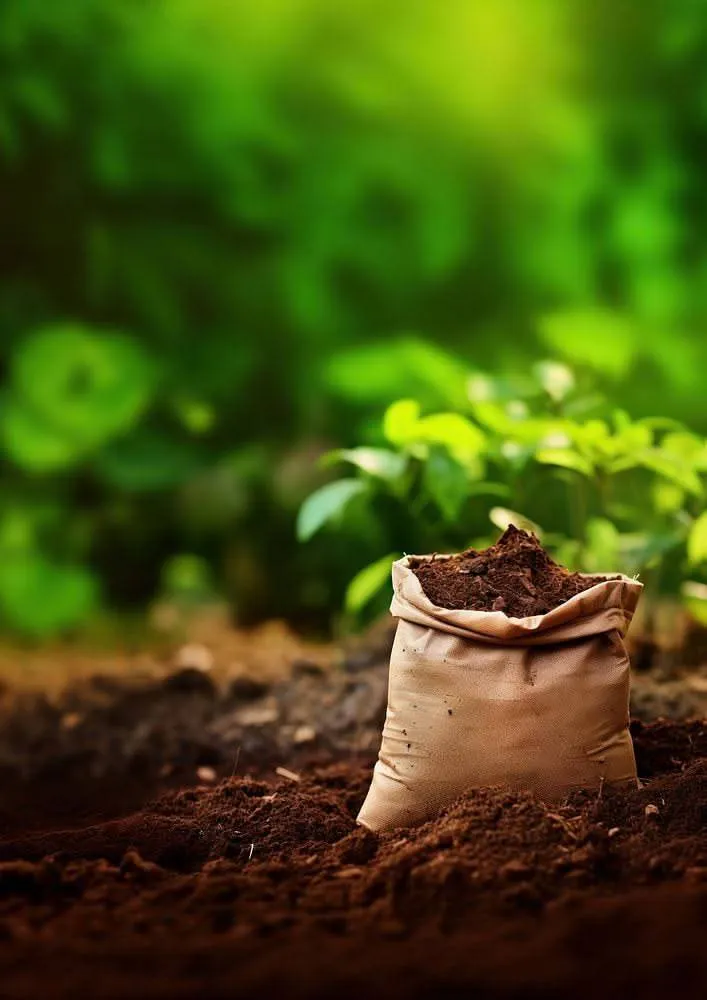
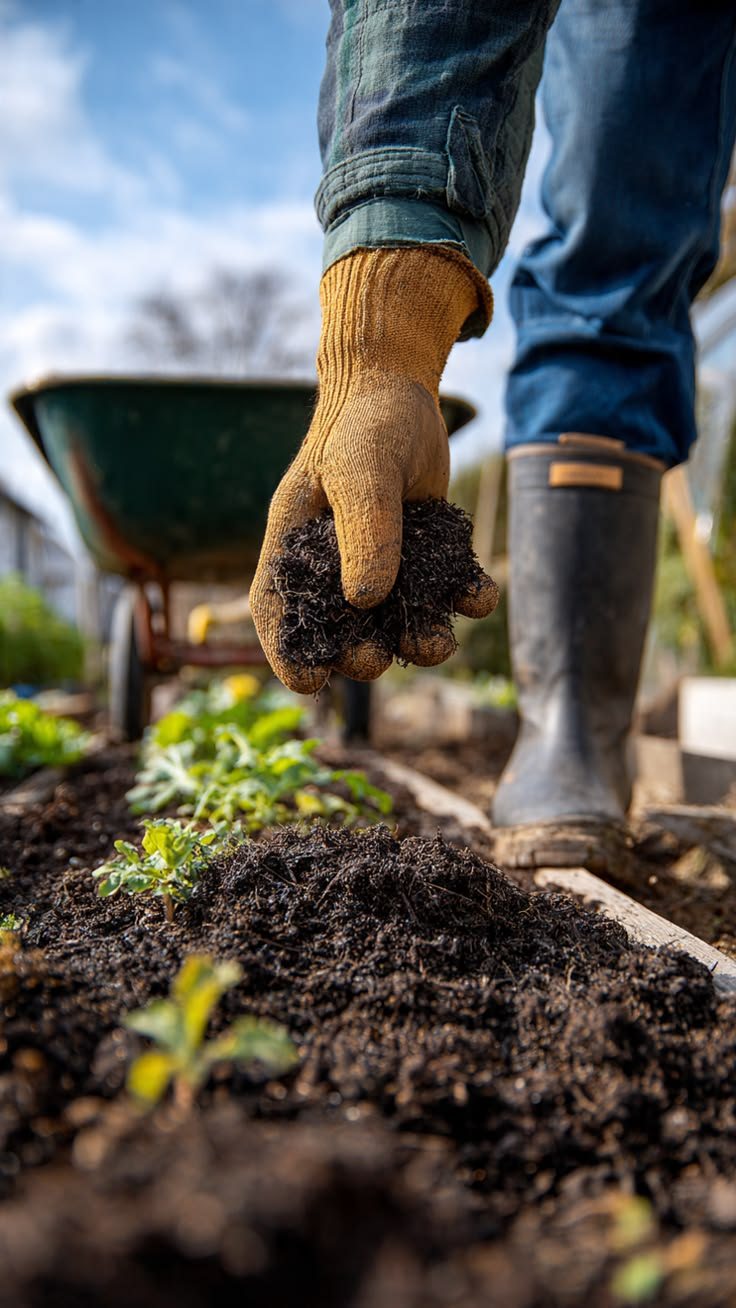
Spread well-rotted compost under the canopy shade, not against the collar, roughly two to three centimetres thick, and mix it into the surface layer. The aim is not to change the texture of the whole profile in one season; the aim is more pore space and holding capacity exactly where the fine roots take up water. In sandy soil at the desert margin, organic matter holds the water. In the heavy clay of the Isfahan plain, organic matter improves aeration so the roots do not suffocate. Unfinished compost with a high carbon-to-nitrogen ratio locks nitrogen up temporarily; avoid fresh manure at the collar, which burns and brings flies and salinity with it. Repeat this once a year in autumn or late winter, not a sack a month thrown on the lawn.
2. Keep the leaf litter where it is safe
Fallen leaves of plane, ash and pomegranate, if they are healthy, are free mulch. A thin leaf layer under the canopy holds moisture and gradually becomes organic matter. Where leaves settle on slippery paving, a city water channel or a building entrance, sweep them up. Do not stockpile diseased leaves — heavy fungal spotting, persistent mildew, canker — under the same tree. In commercial pistachio and pomegranate orchards leaves can be chopped between the rows, provided it is not a quarantine pest focus. Burning leaves in a city yard both pollutes the air and takes that material out of the soil cycle.
3. Five to eight centimetres of mulch, clear of the trunk
Aged wood chips or bark lower the surface temperature and suppress weeds. The useful depth is usually five to eight centimetres. Thicker, especially if it stays permanently wet, suffocates the collar and shelters rodents. Leave a three to five centimetre gap around the trunk so the collar bark stays dry and aired. Spread the mulch out to the dripline, not as a decorative ring at the foot of the trunk. In formal spaces, light-coloured stone mulch can go over a thin organic layer; stone alone on bare soil becomes a heat source itself at midday in summer.
4. Reduce compaction: roots need air too
Parking at the foot of a street plane tree and running a wheelbarrow over the bed closes the pore space. Water stands on the surface or escapes sideways, and roots do not work in soil without oxygen. Mark the route with stone or timber, do not make the base of the tree a parking space, and where possible run a broad mulch strip as a soft barrier. Surface aeration with a fork in the canopy shade, without cutting thick roots, helps in clay soil. Deep drilling without a diagnosis tears roots apart. In urban projects in Isfahan, a permeable strip around the tree instead of concrete up to the collar has made the difference between surviving a drought and not.
5. Stop the unnecessary chemistry
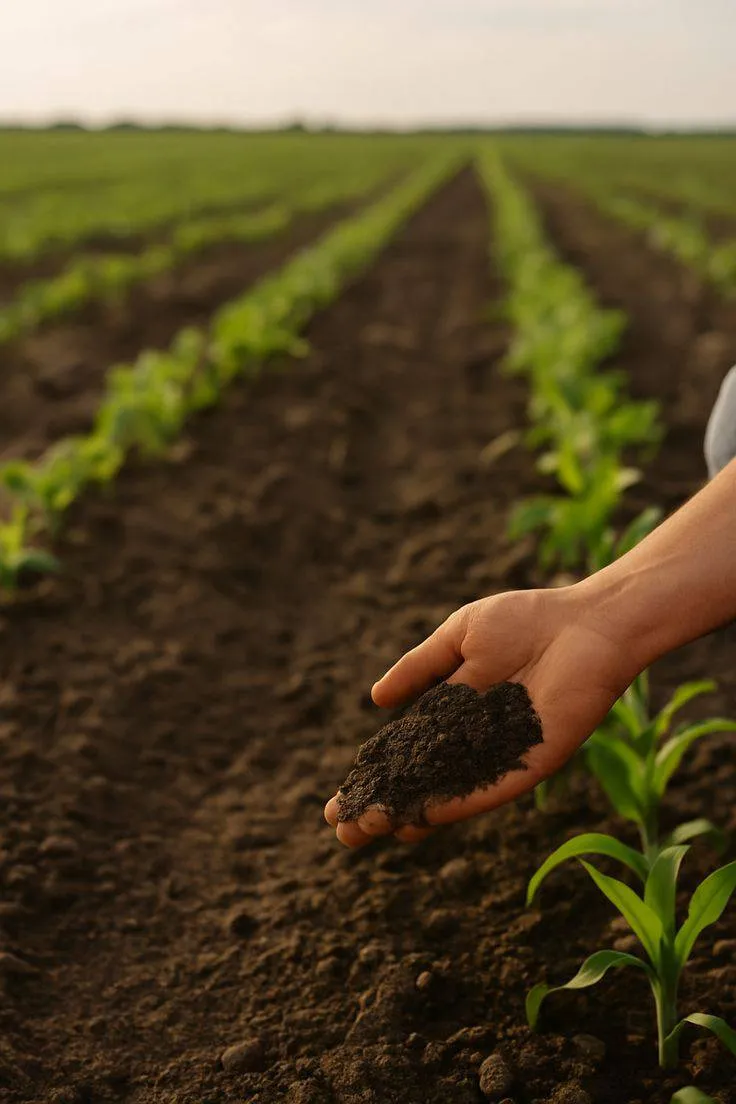
Heavy nitrogen in June and July increases leaf area and raises transpiration; in a drought that means more stress. Herbicide at the collar burns the bark and opens a way in for pathogens. Calendar spraying with no identified pest kills the predators and lets mite explode in the heat. In a dry year, base the nutrition programme on potassium, organic matter and correcting a genuine iron deficiency in calcareous soil, not on explosive growth. A leaf and soil test costs less than three aimless fertiliser applications.
6. Plant a species that speaks your climate
Cool-season turf and Japanese maple in Yazd and Kerman mean a water commitment you do not have. Pomegranate, olive, pistachio in suitable areas, oleaster, Aleppo pine as a windbreak, and ash on deep watering are more honest choices. Do not plant saplings at the height of a summer drought. Leave establishment to autumn or late winter so the roots are in the ground before the heatwave. Trial a rare imported species in one corner first, not along a whole street.
7. Read the early signs of stress
- Midday wilting that does not recover by evening is more serious than a temporary midday droop.
- Marginal leaf scorch and early leaf drop in July mean roots, water or salt.
- Yellow young leaves with green veins in calcareous soil are chlorosis more often than an absolute lack of iron in the soil.
- Bark cracking and dieback on one side of the crown sometimes indicate root damage on that same side.
- Do not confuse gum or frass at the foot of the trunk with drought; a wood-boring pest may be riding on the stress.
Drought alone does not kill a tree; soil with no sponge, a buried collar and daily shallow watering kill it. Start these seven jobs before the summer allocation. Autumn mulch and compost build the reserve for July. If a tree scorched badly this year, start next year with a soil test, collar correction and a review of the species, not by buying more tanker water. In the pomegranate orchards of Yazd and the pistachio orchards of Kerman, this soil-first order usually makes one irrigation more effective than two shallow ones, and chlorosis appears later. If you can afford one job, do the mulch and compost before the expensive liquid fertiliser; roots in dead soil will not take that fertiliser up either, and evaporation from uncovered ground finishes the August allocation before noon. Farin Kesht Taban writes the soil-first drought programme separately for a home garden and for a commercial row, because their water capacity and the economic value of the tree are not the same.