
Olive, mulberry, oleaster, ash, Aleppo pine and Mediterranean cypress suit the dry cities; Christ's thorn jujube and mesquite suit the south. Plant black locust only with caution and in limited numbers.
Water scarcity in Iranian cities is no longer a forecast; seasonal restriction on irrigating public landscaping in Isfahan, Yazd, Kerman, Mashhad and Ahvaz has become part of the municipalities' annual plan. Planting a thirsty plane tree or a dense lawn in the heat island of asphalt is that same old decision which today, with a summer cut-off, leads to a hollowed-out crown and the cost of replacement. Drought tolerance, however, does not mean no water from day one. Every sapling needs two to three years to establish. The correct meaning is that after establishment, the species can survive a long irrigation interval, dry wind, and calcareous or slightly saline soil without its framework emptying out every summer. In landscape consultancy, Farin Kesht Taban puts the district's climate and its water quality first, and the species list second.
Species that have worked in practice in dry cities
Olive, in a relatively mild belt and in cities without long severe frosts, builds a dense crown with a limited water requirement; in Tabriz and Shahrekord it is not the first choice. Mulberry is adaptable and patient, but fruit drop on the pavement and some people's sensitivity to its pollen must be settled with the client in advance; low-fruiting cultivars suit a street better. Oleaster tolerates salinity and drought well and is effective in windbreak belts on the city's edge, although its self-spreading and its thorns have to be managed. Ash has a long record on many central Iranian streets; weak unions and irregular pruning turn it into a hazardous tree, not the species itself. Aleppo pine and Mediterranean cypress are the familiar choices of Iranian landscaping for full sun and relatively light to medium soil; both are damaged by flooding and by heavy anaerobic soil.
- Olive: suited to semi-warm and temperate dry cities; avoid severe late spring frost.
- Mulberry: good establishment and tolerance of low water; for a walkway prefer low-fruiting or male cultivars.
- Oleaster: tolerance of salinity and wind; in children's spaces keep the planting position away from the thorns.
- Ash: a familiar street shade tree; sound pruning and inspection for dead branches are essential.
- Aleppo pine and Mediterranean cypress: an evergreen framework for squares and belts; take drainage seriously.
The south: judge Christ's thorn jujube and mesquite against your own city
Christ's thorn jujube in Khuzestan, Bushehr, Hormozgan and the hot belt of Sistan and Baluchestan is a regionally native tree that tolerates heat and drought. Its shade is valuable for a neighbourhood park, and it lasts better than many imported species on water of moderate quality. Mesquite too has a record of afforestation and shade in the south and along the desert margin, but the root spread and seed of some stocks can create problems for a neighbour's garden and for utilities. Do not try either in Tabriz or Hamadan, and do not plant either on busy streets without checking that municipality's list of permitted species. Transferring the Bandar Abbas pattern to Isfahan, or the reverse, is exactly the mistake that makes landscaping expensive and unsustainable.
Black locust: caution over invasiveness and allergy
Black locust grows fast, tolerates drought relatively well and has striking flowers; that is why it was planted in cities for years. Two facts must not be left out. First, the spread of root suckers and seed behaves invasively on some sites, and managing it costs more than the original planting. Second, the pollen, and in some cases contact, causes allergy in part of the population, and planting a row of it in front of a school or a health facility is a poor management decision. If a municipality or a client insists on black locust, Farkesht rejects it as the default option and accepts it only in controlled patches, away from sensitive concentrations of people, and with a programme for removing root suckers. The low-allergy alternatives are the list above.
A drought-tolerant species means one that gets by on little water after establishment, not one abandoned in dead soil without its first years.
Match the species to the city and to the soil volume
Isfahan, with its dry wind, lime and the limits of the Zayandeh Rud, is one package; Ahvaz, with heat, dust and sometimes saline water, is another; Tabriz, with a hard winter and short summer, a third. An Aleppo pine on a central median whose soil volume amounts to a large pot is not tolerant — it is condemned. The same goes for a Mediterranean cypress in heavy waterlogged soil over an underground car park. Before buying saplings, write down the width of the median, the depth of soil, the distance to utilities, the water quality and the five-year pruning regime. Do not plant a tree that ends up large on a narrow pavement just because the sapling is small today. That very mistake produces a request for topping ten years later.
- Define the district's climate and its absolute minimum temperature; do not take a southern species to a cold region.
- Test the quality of the landscape water; salinity brings oleaster and Christ's thorn jujube forward and pushes plane back.
- Measure the usable soil volume; if it is small, correct the soil before you buy the saplings.
- Do not make black locust the default; raise the allergy and the root suckers with the client.
- Write two to three years of establishment irrigation into the contract; without it a tolerant species list means nothing.
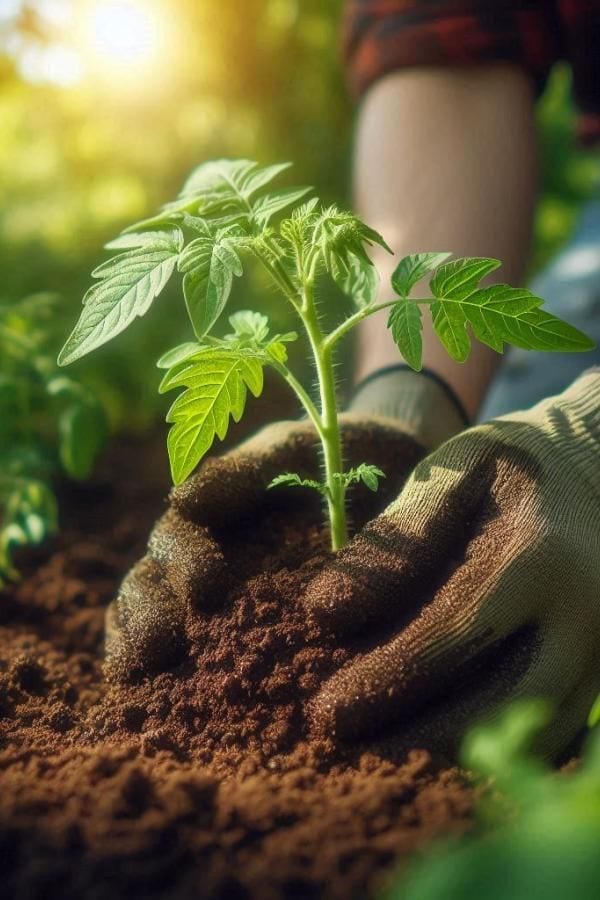
Two further traps are worth naming. First, confusing drought tolerance with salinity tolerance or cold tolerance. Oleaster tolerates salinity better than Aleppo pine; Aleppo pine tolerates the cold of Isfahan better than Christ's thorn jujube. Second, forgetting the establishment years. A landscape contract that buys tolerant saplings and turns the water off in the third month dries those same saplings in August and blames the species. In Isfahan and Yazd, the irrigation interval in the first year must be shorter than for a mature tree, and the soil volume of the island must be corrected before planting. If all there is in the paving is space for a pot, do not plant a tree at all; a low-water shrub or a hard surface is better than a dead framework in summer.
The practical summary for Iran's dry cities is this: use olive, a mulberry suited to walkways, oleaster, a well-managed ash, Aleppo pine and Mediterranean cypress as the backbone; in the south, judge Christ's thorn jujube and mesquite against local regulations; make black locust the exception, not the rule. Keep and care for the old plane trees you already have, but do not plant new plane on a low-water site in a small island. Farkesht writes the planting design against the real irrigation interval of that city, so that the species list on paper and the valve on the ground agree. A tolerant tree is the right tree in enough soil — not a tree that carries the word drought on a catalogue page.