Diversify farm income with windbreaks, livestock shade and almond, pistachio or pomegranate grown between crops, and cut soil erosion in Iran's dry climate; firewood is not the point.
Many farmers on the central plateau and along the desert margin see income coming from a single annual crop: wheat, barley, alfalfa or summer vegetables. When drought or a price drop arrives, the whole year's cash flow shakes. Planting trees deliberately on that same land, matched to the water and the local market, builds a second layer of income and a first layer of soil protection. This is not about ornamental afforestation or cutting trees for firewood. It is about windbreaks, livestock shade, nuts and fruit, and less wind erosion — the very things that quietly cost money every year in Kerman, Yazd, Isfahan and South Khorasan. Farin Kesht Taban does not call this agroforestry to make a slogan of it; it costs it out as a planting plan with defined spacing, species and a separate irrigation circuit.
The windbreak is the farm's first tree, not its last decoration
The dry spring and summer wind on the plains around Yazd, Nain, Rafsanjan and eastern Isfahan pulls moisture out of the crop's leaves and moves the topsoil. A belt of trees on the prevailing-wind side — usually west to north-west — reduces wind speed for several times the height of the canopy. Ash, Russian olive, tamarisk in saltier soil, and pine in protective belts around the field are proven options, depending on salinity and soil depth. Space the belts so the crop in the middle still gets enough light; a belt planted too densely weakens the crop itself. Keep the windbreak's irrigation separate from the crop's plots. During the establishment years a young tree without regular water dies, and the farmer concludes that trees do not work on cropland — when the problem was the design of the circuit, not the idea.
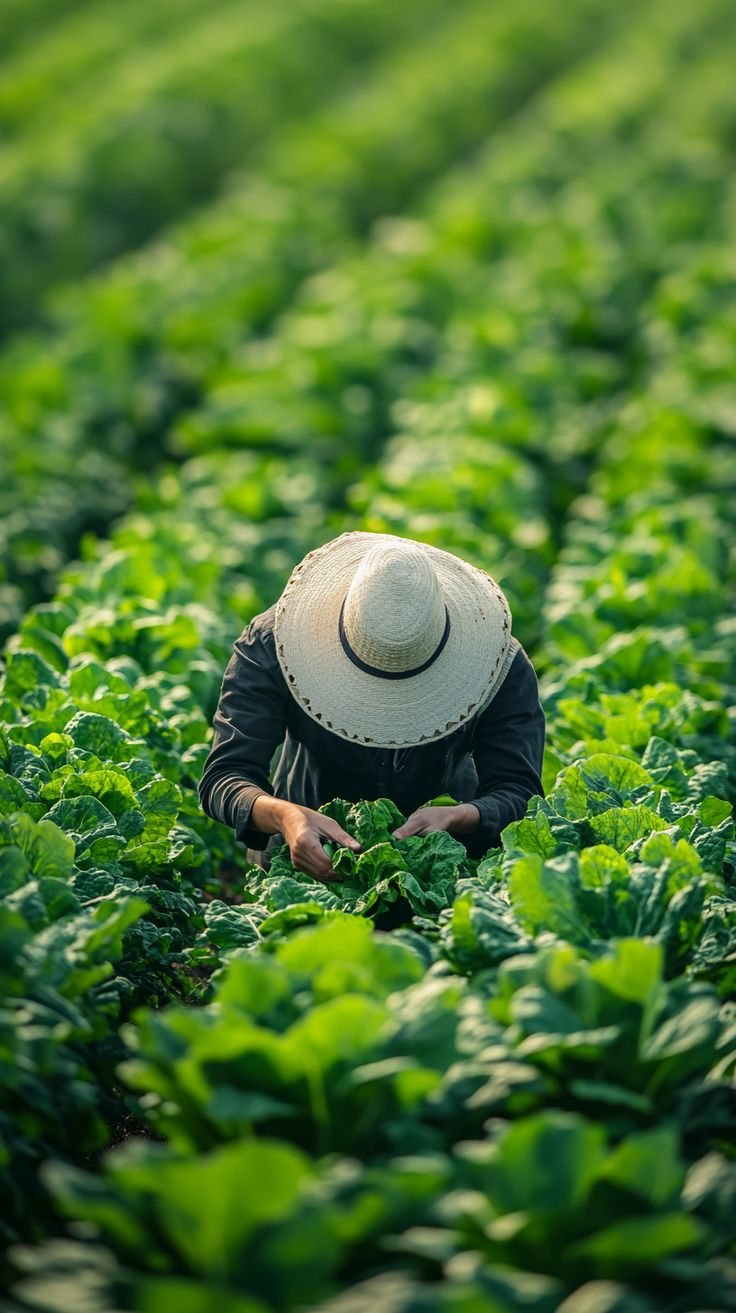
Almond, pistachio and pomegranate between crops — not any tree in any plot
In suitable parts of Kerman, South Khorasan, Yazd and the Isfahan margin, pistachio and pomegranate can be permanent rows between strips of low-growing crops, provided shade and root competition are managed from year five onward. Almond, in cooler highlands and with a defined chilling requirement, takes light better on north-south rows. This is not a wholesale replacement of wheat; it is a gradual narrowing of the cropped strip and a growing share for trees as the young stock approaches economic yield. Look at the market before you look at saplings: pomegranate near a processing plant or a consuming city, pistachio within reach of a hulling terminal, almond where spring frost is a tolerable risk. Planting pistachio in the heavy, poorly drained ground of some central plains kills the tree by root suffocation and accumulated salinity long before drought does.
- Choose the species by the salinity of that well's water and that field's soil, not by a photograph of a neighbour's orchard in another climate.
- Leave the tree rows wide enough for the tractor and sprayer the current crop already needs.
- For the first five years, budget the saplings' water share separately and guarantee it; what remains in the plot belongs to the crop.
- Match the pistachio and pomegranate cultivar to the chilling requirement and to the local dried-fruit market.
- The point is fruit, shade and soil protection; treat firewood as a by-product, not as the income plan.
Livestock shade: less heat stress without an expensive barn
On smallholder livestock units around Shiraz, Isfahan and Khuzestan, a summer afternoon without shade means less feed intake, lower output and more water consumed. A few mulberry, ash or male pistachio trees along the feeding and watering line bring the surface temperature down. Protect the trunks from rubbing and browsing with a temporary fence so establishment is not lost. Mulberry leaf is a supplementary feed in some systems, but it should not be the only reason for planting; durable shade and no competition with the animals' drinking water come first. Do not plant a tree in the middle of a muddy watering point: the collar rots quickly in mud and urine. Better to put the shade row on the west side of the pen so the evening shade falls where the animals rest.
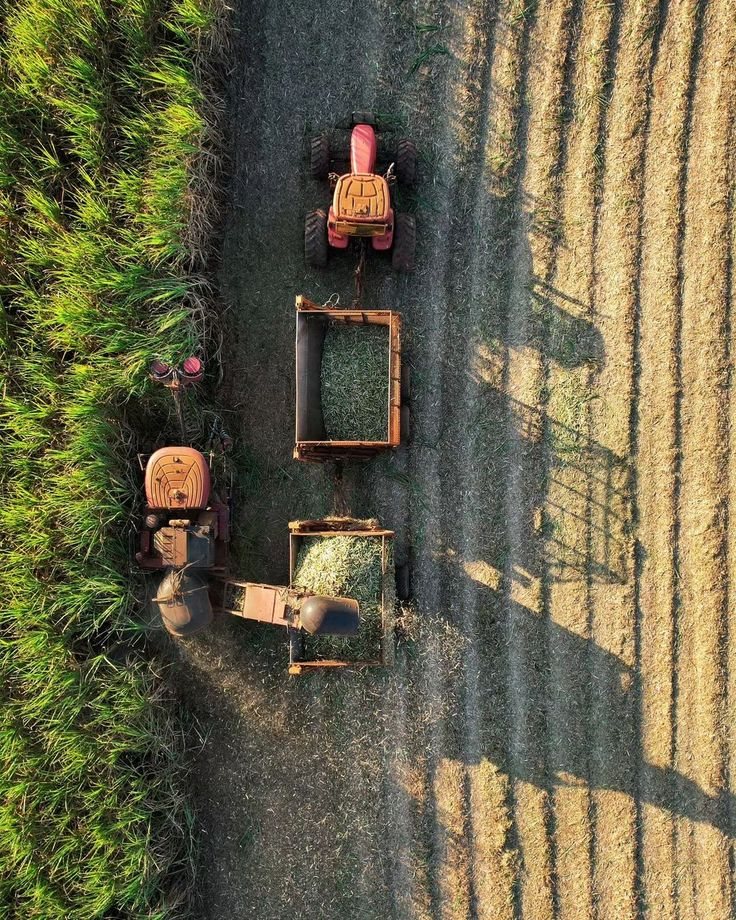
Permanent roots hold erosion more cheaply than annual levelling
Heavy spring showers on the Zagros foothills and the plains around Yazd wash bare soil away. An annual crop leaves the ground uncovered for several months of the year. A tree row on the contour, even with a grass cover between rows, slows runoff and holds the surface organic matter. Russian olive and almond on low-yielding sloping land, given a terrace or a simple contour bund, both hold the soil and produce a crop in good years. This does not replace a full watershed scheme, but for a farmer's ten to twenty hectare block it is more practical than leaving the land fallow. Avoid dense planting in the main watercourse; a flood tears the saplings out and brings sediment with it.
Do not build the income plan on firewood
In years of diesel shortage or gas cuts, the temptation to cut boundary trees for fuel rises. If your aim is diversified income, plant trees for fruit, windbreak and shade. Dry pruning and thin branches can be supplementary fuel for the farmhouse, but a plan whose core is selling firewood usually hollows out the canopy and destroys the very protective role it had. In the sparsely wooded central provinces, one mature windbreak is worth more in avoided crop damage than several loads of firewood. Settle the well's or qanat's water share before you extend the tree rows. On many plains in Isfahan and Yazd, adding a hectare of saplings without reducing the area under a thirsty crop empties that same well in August, and both the wheat and the young trees suffer. The durable pattern is to give the low-yielding strip or the wind-exposed edge to trees, and to cut back dense alfalfa or water-hungry summer vegetables in the same block. If the water is saline, plant pistachio and pomegranate only with calculated leaching and drainage; Russian olive or tamarisk in the outer belt tolerates salinity better and shelters the crop in the middle from the dry wind. Put the tree's economic yield in the books from year four onward, not from year one; until then the windbreak and the reduction in dust have to justify the establishment cost.
A tree on farmland pays when you have costed the water, the cultivar and the market before you pick up the spade; a free sapling with no plan is simply next year's expense.
To start, pick one wind-exposed edge or one low-yielding strip, test the soil and water, and plant three candidate species at realistic spacing. Do not convert the whole farm into an orchard in a single season. Farkesht can put the windbreak layout, the establishment water share and the mix of pistachio, pomegranate or almond onto one plan alongside your current crop, so income diversity does not collide with Iran's water scarcity.