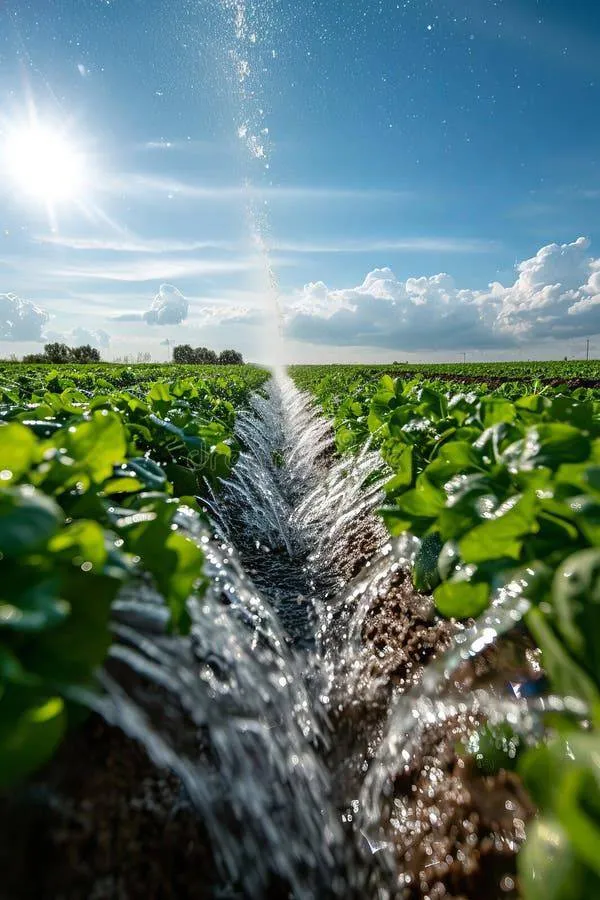
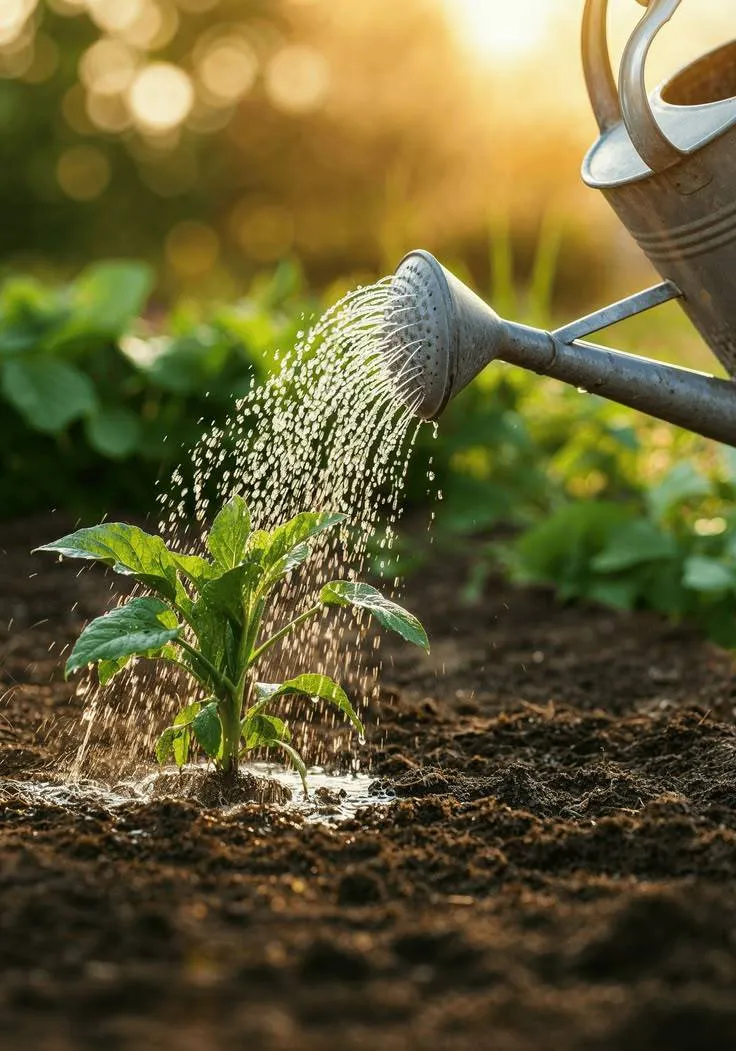
Foliar iron, zinc, manganese and boron work in the cool hours and with suitable water. Choose the right chelate, do not mix the tank at random, and do not abandon the soil programme.
In the calcareous soils and hard irrigation water that cover a large share of central and eastern Iran's orchards, iron, zinc, manganese and sometimes boron are present in the soil but never reach the leaf. A foliar spray delivers these four elements quickly into the tissue and calms the yellowing or the little leaf within the same season. That very speed has led some growers to answer any yellowing leaf with a tank of unknown mixture. The result is marginal leaf scorch, blocked nozzles and sometimes a worse deficiency. Farin Kesht Taban treats foliar micronutrients as a complementary tool: a bridge until the soil and roots are corrected, not a replacement for the soil programme. A leaf that greens up today does not guarantee the next flush of growth if the roots are still imprisoned at pH eight.
Every element has its own symptom and its own timing
- Iron: yellow young leaves with green veins; in spring after growth starts, repeated if needed. The foliar effect is temporary.
- Zinc: small leaves, short internodes, rosetting in apple and pistachio; before bud swell or in early spring on the wood, and then on the soft leaf.
- Manganese: interveinal yellowing that gets confused with iron; usually on the middle leaves. Diagnosis by leaf analysis matters here.
- Boron: fruit set and pollen tube growth; on some trees before flowering and on others after fruit set. Too high a dose burns leaves and fruit.
Boron deficiency is seen in orchards with heavy irrigation on sandy leached soil; in very dry alkaline soils, boron uptake is irregular too. Zinc is a common deficiency in Iran's pistachio, grape and pome fruit, and a winter or early spring spray is part of the standard programme. Foliar iron rescues a tree from severe yellowing, but the chlorosis returns next year unless soil chelate and irrigation management are in place. Do not mix manganese and iron in one tank without a prescription; the ratio and the form of both are set by leaf analysis.
Cool hours and the quality of the water in the tank
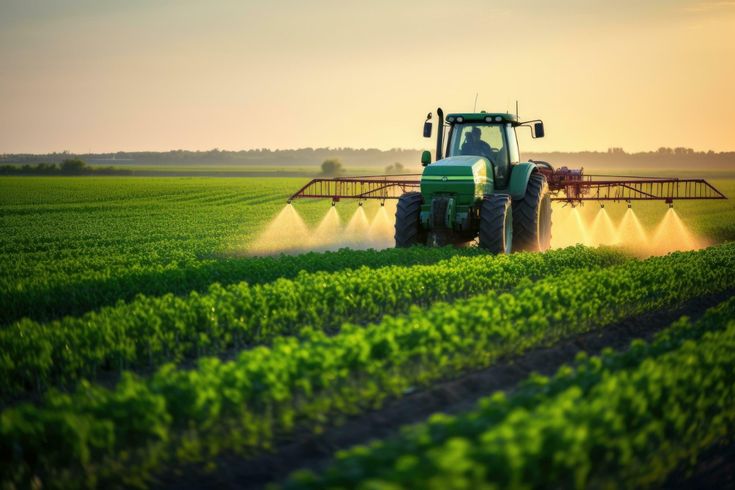
Iran's hot, dry days cook the solution on the leaf and close the stomata. Spray early in the morning or in the evening once the heat has broken; in very hot areas, a night without heavy dew is also better than midday. If dry wind or a heatwave is forecast, put the application off. Take the spray water seriously. Water high in hardness and alkalinity precipitates iron sulphate and some salts, blocks the nozzle and puts the element out of the leaf's reach. A very high electrical conductivity means the water itself gives the leaf salinity stress. If the only water available is hard, use a stable foliar chelate, calculate the water volume correctly, and avoid adding antagonistic fertilisers to the same tank. An unsuitable soap or wetter in calcareous water makes a persistent foam and causes scorch.
Match the chelate to where it will be used
A chelate designed for calcareous soil is not necessarily the best foliar form, and the reverse holds too. For the leaf, forms that are absorbed quickly and stay stable at the tank's pH are preferred. EDTA has a use in foliar sprays but is weak in calcareous soil; do not swap those two statements around. Read the label for the element percentage, the type of chelate and the mixing advice. Do not buy a cheap product with no specification sheet. If the seller says just mix everything together, that alone is signal enough to write the programme yourself or with a specialist.
The tank is not a place to experiment with fertiliser. Any mix without a jar test and without a prescription means you have bought the scorch in advance.
Random mixing and relying on the leaf alone
Phosphate precipitates with iron and zinc in the tank. Soluble calcium is incompatible with many sulphates. Copper, oils and some fungicides interact with micronutrients. If you must do several jobs in one pass, first check compatibility in a small jar: cloudiness, flakes and phase separation mean do not spray. Do not spray a wilting tree; the stomata are not working and scorch is all the more certain. And the last point, repeated because it is ignored: foliar spraying does not set the soil programme aside. Local pH correction, a suitable soil chelate, organic matter and correct irrigation reduce the deficiency at its root. The leaf only manages the current season.
- Confirm the deficiency by symptom plus leaf analysis; do not guess iron and manganese from colour.
- Test the tank water for hardness and salinity and choose the cool hour.
- Spray one element or one defined formulation at the label dose; leave out the market's blends.
- Test the mixture's compatibility in a jar, and do not spray a thirsty tree.
- At the same time, write the soil programme for that same element for the next season.

In the pistachio orchards of Kerman and Yazd, zinc before bud swell on the current year's wood is a fixed part of the programme; repeating it aimlessly every month is only cost and scorch risk. In the apples of Semirom and Faridan, foliar iron calms the spring chlorosis, but where flood irrigation and high active lime prevail, the colour comes back until a soil chelate arrives. Citrus in the warm belt is sensitive to manganese and zinc, and hard tank water must be checked before spraying. Give boron, in orchards that had misshapen fruit or heavy flower drop the previous year, at a low dose and a defined time, not as a permanent tank supplement. If a white deposit stays on the leaves after spraying, the tank water was incompatible with the fertiliser; separate them next time.
Foliar micronutrients in Iran pay off when the target is defined: iron for chlorosis in young leaves, zinc for little leaf and weak buds, manganese once it has been separated from iron, boron at a conservative dose at flowering and fruiting. Cool hours, water with controlled salinity and hardness, a chelate suited to the leaf, and a ban on improvised mixing are the four conditions of execution. The fifth is that soil and roots stay in the programme. For the orchards it manages, Farkesht ties the spray calendar to that year's leaf analysis so the tank is not filled out of the neighbour's habit. The leaf responds quickly; a durable orchard is built from the soil.