Choosing between bare-root, containerised and balled-and-burlapped stock is not only about price; in the heat of Isfahan and in calcareous soil, root form and planting season decide which tree really establishes.
Iranian nurseries offer three forms almost everywhere: bare-root, containerised and balled-and-burlapped. The seller usually emphasises collar diameter and height, but in Isfahan, Najafabad, Yazd and the hot cities of the central plateau, what decides a tree's fate is the form of the root mass and the planting season, not the sapling's showy size. A bigger sapling does not necessarily give shade sooner. Sometimes that same large plant, because its roots are tangled or have dried out, spends its first two summers under stress and falls behind a smaller one. Farkesht has seen this again and again in landscaping and garden projects: fast establishment matters more than trunk diameter.
Three forms of stock, three behaviours after planting
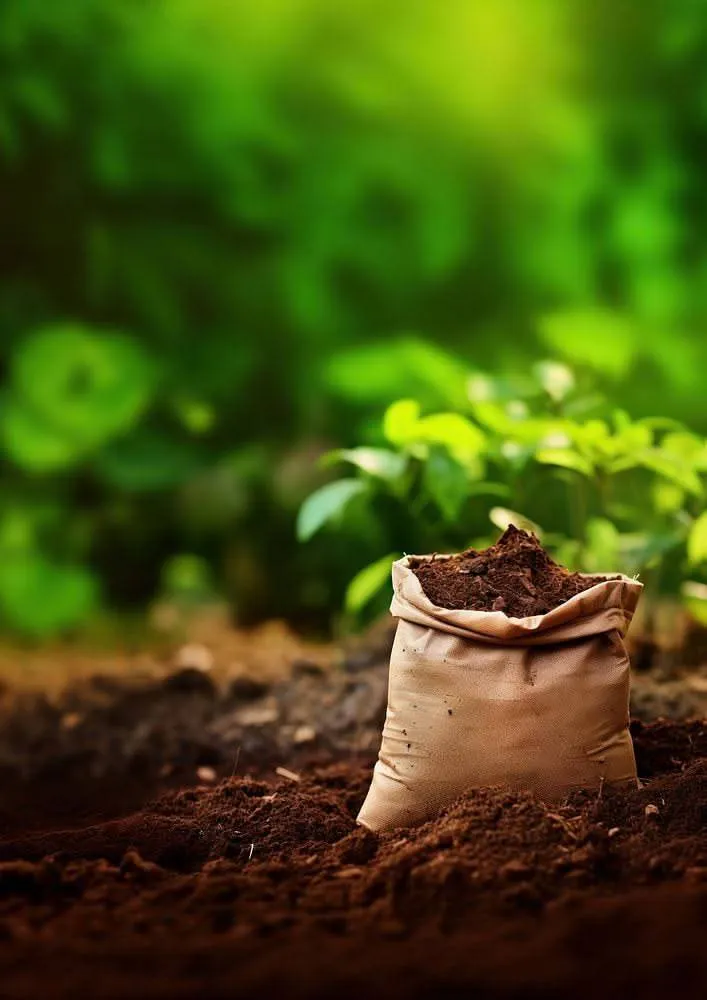
Bare-root is a sapling lifted from the ground in winter dormancy and carried without soil. Containerised or bagged stock has kept its roots in an artificial medium and appears to be movable at any time of year. Balled-and-burlapped is what the market sometimes calls a root ball or soil ball: the mass of soil and roots is held in hessian, jute or netting so a larger tree can be moved alive. All three, if healthy, can make a good tree; the difference is cost, the planting window, the risk of girdling roots, and the speed of establishment in heat.
- Bare-root: cheaper, only while dormant, and the roots must stay moist and go in the ground the same day or within one to two days at most.
- Containerised: more seasonal flexibility, but a risk of roots circling the wall of the pot and slowly strangling the tree after a few years.
- Balled-and-burlapped: suited to a larger tree moved by machine; more expensive, heavier and sensitive to a broken ball and a dried-out surface of the wrapping.
Bare-root: cheap and quick, but tied to a season
Bare-root is the classic choice in Iran for deciduous species such as plane, mulberry, ash, maple and many fruit trees. Because no soil is carried, cost and weight are low, and the roots take their direction anew in the site soil rather than in a pot medium. Success depends on the sapling being genuinely dormant, the roots being neither washed out nor bruised, and staying covered with damp sacking from the moment they leave the ground until planting. Even in early March, midday sun in Isfahan can scorch a bare root. If the transport distance is long, or you cannot plant the same day, bare-root is a risky choice. In the heavy, saline soils along the Zayandeh Rud, a settling irrigation must follow planting immediately so no air pockets remain around the roots.
Containerised stock and the story of girdling roots
A pot is tempting because it has leaves and looks alive. The problem is that if the sapling has stayed in the container too long, the lateral roots circle the wall and keep that same ring after planting. In the heat of July and August the ring acts like a belt: water and nutrients struggle to reach the crown, and a few years later, exactly when you expect shade, the tree suddenly dies back or goes over in a gale. Before buying, pull the sapling part way out of the pot. If a white, matted mass covers the wall, or roots are coming out of the drainage holes, either send it back or do not buy it at all. When planting, slice the circling roots with a clean knife and comb them outwards a little. A smaller containerised plant that has only recently been potted on almost always establishes better than a big pot-bound one.
Balled-and-burlapped: a bigger tree, a bigger responsibility
Balled-and-burlapped makes sense when you want to move an already shaped tree into a street, a yard or an industrial site and have crown volume from the first year. The cost of the tree, transport by pickup or light crane, and planting with several workers all add up. The ball must be firm, moist and proportionate to the trunk diameter; a small ball on a thick trunk means a large share of the absorbing roots has been cut off. Natural hessian can be left in the pit if it will rot, but plastic and synthetic netting must come off completely. In compacted, calcareous city soil, a balled tree whose pit is dug only to the size of the ball stays like a large buried pot, and the roots never cross the contact face into the new soil. The pit must be wider than the ball, not deeper.
Cost, and why a smaller sapling wins in a hot climate
If the budget is limited, healthy bare-root stock in the right season usually gives the best ratio of price to establishment. If you have to plant outside dormancy, or the transport distance is long, a small pot beats a dried-out bare root. Keep balled-and-burlapped for projects where the client wants immediate volume and is willing to pay for two years of aftercare as well. In the heat of Isfahan and Khuzestan, a slimmer sapling with a wide, ring-free root system overtakes the showpiece within two or three seasons, because its root-to-crown ratio is more balanced and the crown's transpiration does not exhaust the roots. Farin Kesht Taban recommends the same pattern for factory landscaping: more plants, a sensible size, certain establishment.
- Purchase cost: bare-root lowest, containerised middling, balled-and-burlapped highest plus heavy transport.
- Establishment in heat: a small healthy plant of any of the three beats an overgrown pot-bound one or a dried-out ball.
- Girdling roots: the greatest risk in an old container; with a balled tree, a broken ball damages the surface roots.
- Need for staking: bare-root and large balled trees need two temporary stakes where the wind prevails; a small pot is often fine with none, or with one short stake.
Planting season: autumn and late winter, not the peak of summer
For deciduous bare-root and balled stock, the main window runs from leaf fall in November and December until bud swell in late February and March. On the Isfahan plain, if night frost is forecast, put the planting off by a day or two so the collar does not sit in frozen soil. In the milder south, January and February are also suitable if the soil is workable. Technically a container can be planted in spring too, but July and August are a poor choice for all three forms unless you have guaranteed irrigation and temporary shading — and even then losses are high. After autumn planting, one deep settling irrigation and then a light winter schedule are enough for the roots to spread in cool soil and not be caught out by the heat of May.

A small sapling with open, healthy roots overtakes a big pot-bound one in an Iranian summer. Do not buy size for the photograph on planting day; buy it for the shade in year three.