For a small yard in an Iranian city, choose pomegranate, fig, olive, quince and columnar apple over broad-crowned trees, so you get shade and fruit without damaging foundations and pipes.
A sixty to a hundred and twenty square metre yard in Isfahan, Tehran or Shiraz is no place for a mature plane tree or a dense Aleppo pine. A broad crown gives shade, but the roots press on the foundation, the soakaway and the sewer line, and in practice, after ten years, either the tree comes down or the wall cracks. The right choice for a small yard means a small to medium species, a crown that takes pruning, reasonably well-behaved roots and tolerance of heat and lime. Pomegranate, fig, olive, quince, columnar apple, myrtle, hawthorn and oleaster have done far better at this scale than young plane and poplar. Consider Japanese maple only if you live in the temperate, humid northern belt; in a sun-facing yard in Yazd or Kerman its leaves scorch and the owner assumes the tree is diseased. Leave young plane, Lombardy poplar and eucalyptus out of a small garden bed altogether: today's fast growth means, by year seven, roots in the foundation, leaves in the gutter and a blanket of shade that weakens the lawn and the flowers.
Draw the dimensions ten years out, then buy the sapling
Today's pot label is misleading. In rich soil with regular water, pomegranate easily reaches three to four metres in height with a crown just as wide. Fig, left unpruned, climbs the wall and leaves its sap on the stone. Olive grows more slowly but lives a long time, and should not be planted a metre from the gas meter. A simple rule: keep the distance to walls and pipes at least half the mature crown diameter, and always leave a sixty centimetre walkway clear. If you have only one planting spot, one properly trained fruit tree beats three competing saplings. Three saplings in a two-metre bed means weak shade, more pests and less fruit.
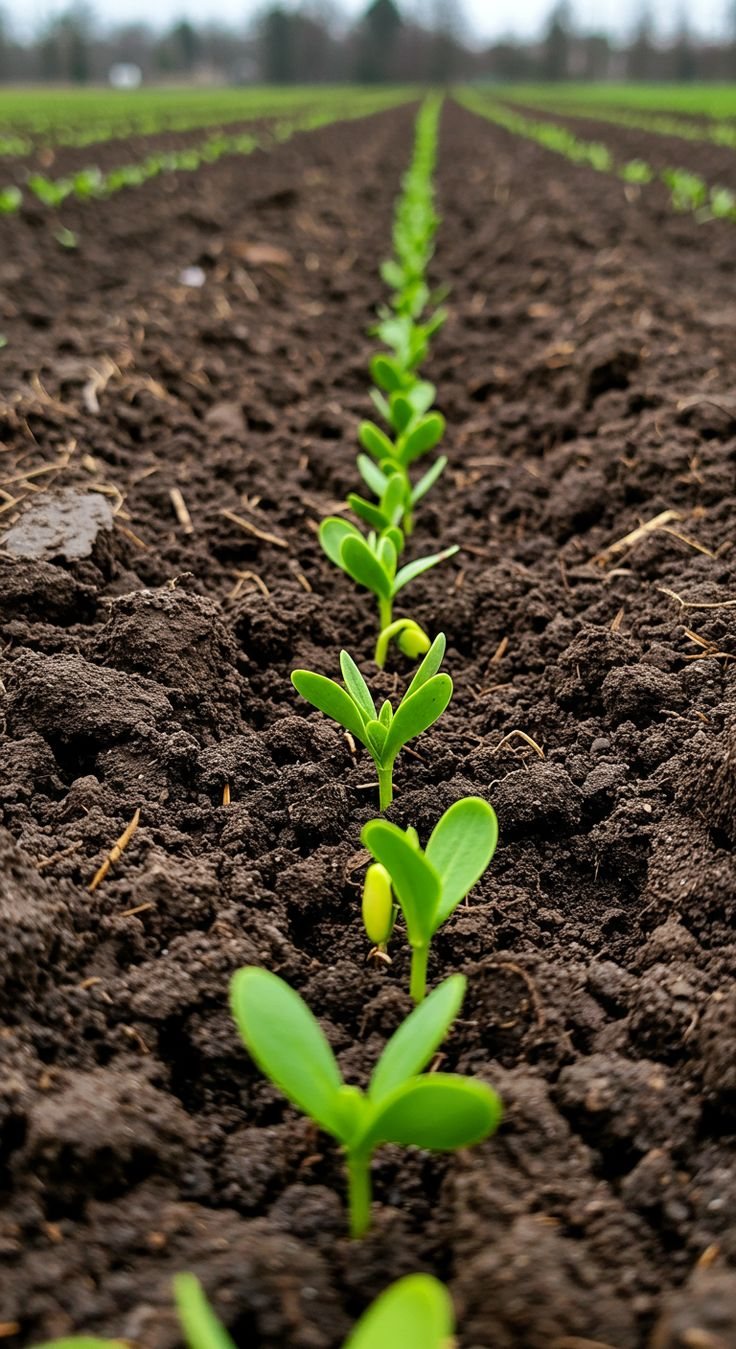
Compact fruit trees for a hot, dry climate
For Isfahan, Yazd, Kerman and Shiraz, pomegranate is one of the lowest-risk choices there is: tolerant of lime and relatively of low water, with beautiful flowers and fruit you can sell or eat at home. Match the cultivar to the local cold and the local market, and remove suckers regularly or you end up with a dense fruitless shrub. Fig sweetens in a warm, sunny corner beside the southern wall; some cultivars are damaged by late spring frost, so in colder highlands pick a later-flowering cultivar or a sheltered position. Olive works in yards in Shiraz, southern Isfahan and the warmer belt of Tehran; be careful in the severe frosts of the Qazvin basin and the highlands, or plant a hardier cultivar. Quince is fragrant and compact in the cooler yards from Isfahan through Shahrekord to Hamadan, and annual pruning keeps its crown small. Columnar apple suits a terrace or a narrow bed on the north-west of the yard in areas with enough winter chill; in Ahvaz or on the coast, do not expect an economic crop.
- Pomegranate: full sun, sucker removal, a deep weekly soak through the summer of establishment.
- Fig: a warm southern wall, excellent drainage; check how sensitive the cultivar is to spring frost.
- Olive: slow growth, long life, right for a narrow yard with plenty of sun.
- Quince: autumn fragrance, a controllable crown, better where winters are more distinct.
- Columnar apple: only where the chill hours are met; it needs a stake in the first years.
Compact non-fruiting trees: myrtle, hawthorn, oleaster
If fruit is not the priority, myrtle is evergreen and takes shaping well, and works along the edge of yards in Shiraz and Isfahan as a low hedge or a single shrub; do not keep its soil too wet. Hawthorn flowers heavily in spring, holds birds, and pruning keeps its crown small; take its thorns seriously where children play. Oleaster tolerates drought, wind and some salinity, and earns its place on the windward side of yards around Yazd and Kerman; account for fruit drop and the scent of its flowers when routing paths. These three do not stand in for the elder and wild hazel of a humid climate, and should not be swapped out against a list of European forest trees. The choice has to suit a forty-degree summer and a rationed water supply.

Keep Japanese maple to the humid north
Japanese maple is beautiful in photographs, and it lasts in Rasht, Lahijan, Gorgan and the shaded gardens of Chalus, where the air is humid and the soil more acidic. In a calcareous, sun-facing yard in Isfahan or on a Tehran roof terrace, the leaf margins burn, spider mite settles in, and the owner sprays every month. If you insist, try it only in filtered shade against a north wall, in acidified container soil with regular watering, and do not expect a street tree. For autumn colour in central Iran, quince and some hawthorns are the honest answer.
The planting hole, calcareous soil and water in the first two years
In a newly built yard in Tehran or Isfahan the garden soil is usually rubble and compacted clay. Dig the hole at least twice the width of the pot and slightly deeper, do not leave the base compacted, and set the collar level with the finished soil. Mix well-rotted compost with the soil from the site; do not backfill with pure leaf mould, because that makes a hidden pot the roots never leave. In strongly calcareous soil, plan an iron programme for the growing season separately. Through the first two summers, water the sapling deeply and regularly: a small basin over the line of the old root ball, early in the morning, until the moisture reaches twenty-five to thirty-five centimetres. Tie the stake loosely and low so the trunk thickens on its own. Start formative pruning in the second year: take the suckers off the pomegranate, keep the fig off the wiring and the air conditioner, hold the columnar apple upright. Thin the first year's fruit so the tree puts its energy into roots. If you have only one permanently shaded corner, put the myrtle or the hawthorn there and give the pomegranate full sun; swapping those roles weakens both.
A small yard with one right tree looks bigger than a yard where four competing crowns have closed off the path.
Before you buy, draw the pipe run, the soakaway, the air conditioner and the parking space on paper, and commit to one species for ten years. Buy the sapling from a reputable nursery with healthy roots, not from a roadside stall with no cultivar name. For urban yards in Isfahan and Tehran, Farin Kesht Taban has repeatedly proposed pomegranate or olive with myrtle along the edge in place of a young plane tree; the result is enough shade, fruit for the household, and less spent on pruning and on complaints from the neighbours.