An Iranian summer wears trees down with heat and with lawn-shaped shallow irrigation. Deep watering, mulch, checking the drip lines, avoiding nitrogen at the peak of heat and light deadwood pruning are what the hot season really needs.
From June until the end of August, in most Iranian cities a tree is under two pressures: hot air, and a water regime written for the lawn rather than for tree roots. The lawn gets a shallow soaking every day, the tree sees that same water and stays thirsty, because its active roots are deeper and wider than the sprinkler's reach. Summer care means deeper and less frequent irrigation, mulch, checking the system, holding back on nitrogen fertiliser, monitoring pests and diseases, and taking off only fully dead wood. In the orchards of Isfahan and on industrial sites, Farin Kesht Taban gives the groundskeeper this list, not a weekly fertiliser schedule.
Watering the lawn is not watering the tree
A lawn sprinkler wets five to ten centimetres of surface, and midday evaporation takes it straight back. In uncompacted soil, a shade tree's roots extend several tens of centimetres down and beyond the canopy shade. If only the lawn is watered, the tree brings its roots to the surface; the following week those roots are cooked, and in a gale they hold nothing. The tree's schedule has to be separate: a ring or drippers around the dripline, longer run times, longer gaps between them. In the heavy soil of Isfahan, set the intervals so oxygen returns between two irrigations. In the sandy soil of Yazd and Kashan, increase the volume per application and shorten the gap a little, but keep it deep, not ten minutes every evening.
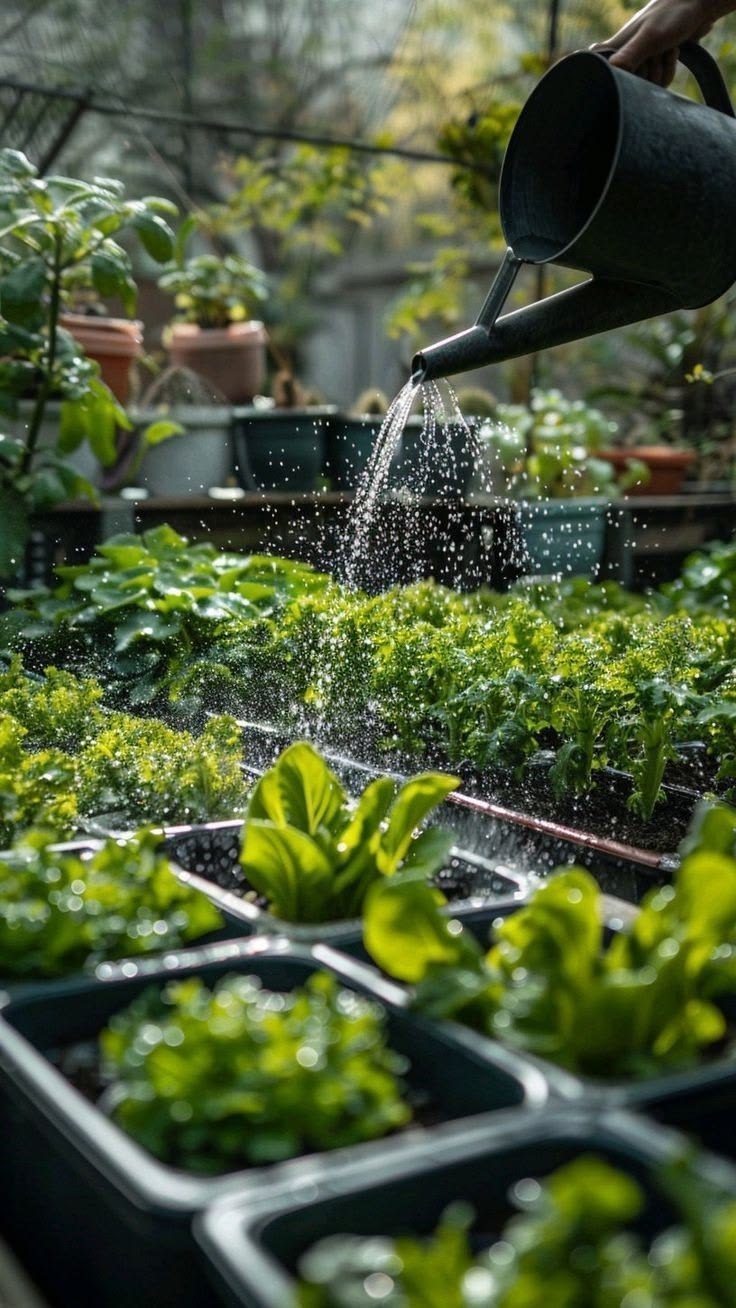
Mulch and checking the irrigation system
A layer of wood or shredded-leaf mulch over the shade circle lowers the soil temperature and holds evaporation back. Keep the mulch a few centimetres clear of the trunk so the collar is not left wet and hidden; summer gummosis loves a damp mass pressed against the stem. At the same time, walk the filter, the drippers and the surface pipes. The salts in Iranian water block drippers, rodents chew the pipes, and the mower operator cuts the hose. If one tree in a row wilts earlier than the others, check that tree's dripper first rather than fertilising them all. Early morning is the best time to see real wilting; at midday every tree looks a little limp.
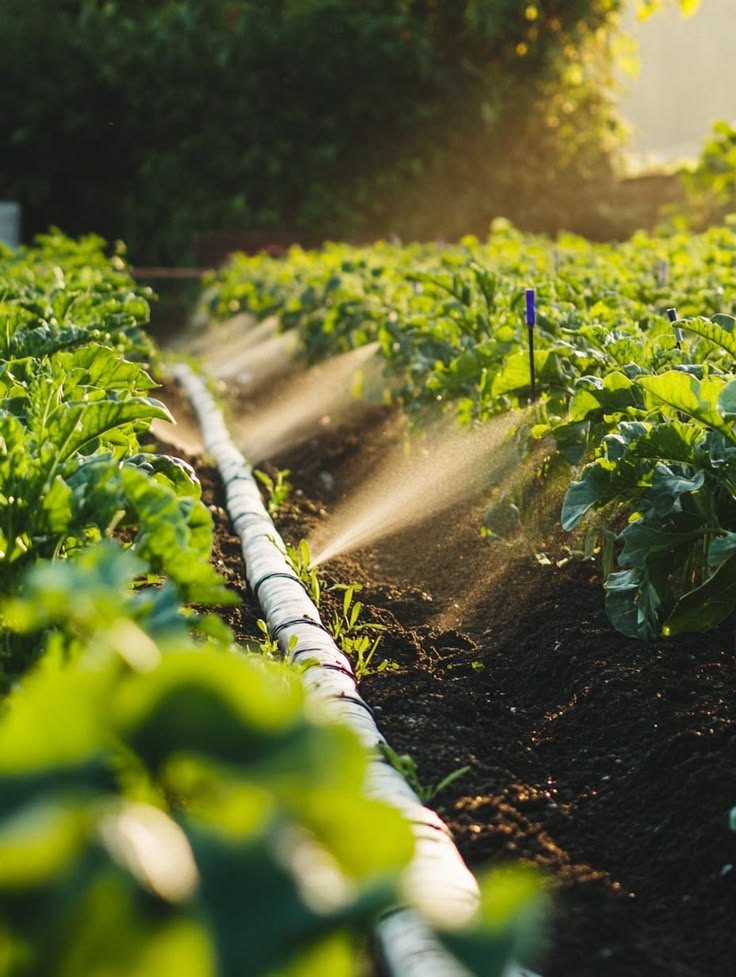
Do not give a tree nitrogen at the peak of heat
Nitrogen fertiliser makes new leaves. New leaves in July mean more transpiring surface at a time when the roots are already under stress. The usual result is marginal leaf scorch and an invitation to sucking pests, not durable green. If a deficiency is clear, wait until the heat breaks, or use non-stimulating routes such as correcting iron in calcareous soil on the advice of a test. Forget heavy foliar spraying at midday onto hot leaves. A healthy mature shade tree needs no showy tonic at the height of summer; it needs water at depth and healthy bark. The exception is when a leaf analysis shows a definite deficiency and the route is a dilute foliar application in the cool of the evening — and even then use half the spring dose. Unrotted manure at the foot of the trunk in the heat both burns the roots and invites flies and collar fungus.
Pests, disease and light deadwood pruning
Heat speeds up mite, scale and the diseases of weakness. Once a week, look under the leaves, at the branch unions and at the collar. Sooty mould and honeydew mean a sucking insect is active; identify the pest first, then reach for a product. Calendar spraying in the heat burns the leaves and kills the natural enemies. As for pruning: take off only fully dead and broken branches, so air moves through the crown and the risk of failure drops. Heavy green pruning in August makes a big wound and sunscald on the trunk. If you must open a view through the crown, work from the shaded side and keep the cut surfaces small. Do not connect a tar spot on the fruit or fresh gum at the collar to a general spraying calendar in the heat; take a photograph and consult somebody who has seen the tree closely. Many summer diseases are in fact scorch from irregular irrigation or salt at the surface.
- Early in the morning, compare one-sided or whole-crown wilting against the neighbouring tree in the row.
- Open the drippers, fittings and the leak at the collar for inspection monthly.
- Renew the mulch, but keep it clear of the trunk.
- Hold nitrogen fertiliser and growth stimulants until the heat breaks.
- Look for mite and scale on the young leaves and undersides, not only on the lawn.
- Take off thin deadwood; do not carve the living framework in August.
A green lawn and a yellow tree means the water reaches the surface and not the tree's roots. Do not judge summer by the lawn hose.
If you bring one job forward this year in a yard or a factory, make it separating the tree's irrigation circuit from the lawn's. That change, with mulch and a drip inspection, does more than three summer fertiliser applications. Iranian trees are built to survive heat, provided we do not suffocate or starve the roots. When September comes, you can plan the autumn feeding and the winter structural pruning; July is not the time for a fertiliser display, it is the time for keeping the tree on its feet.
In villa houses in Isfahan and Karaj, one hose usually reaches everything, and the tree by the western wall has the worst leaf scorch. There a temporary mesh shade in the afternoon helps a first-year sapling, but do not wrap a mature tree in cloth unless the trunk has just been exposed to sun after a heavy pruning. Do not pour pool and air-conditioner water at the foot of a tree if it is saline or chlorinated. If the water is cut for several days, priority goes to saplings and shallow-rooted fruit trees, not to the lawn. After a heatwave, the shedding of inner leaves is sometimes the tree's defence; do not compensate for it with fertiliser — first measure the moisture at depth. In hotter cities such as Ahvaz and Bushehr, do not mistake humid nights for enough water; air humidity makes the leaves look wet while the soil profile may be dry. A probe or a small spade at the edge of the canopy shade speaks more honestly than the feel of your hand on the lawn. If the soil is powder from twenty centimetres down, bring the tree's turn forward and skip the lawn for a day.