Wood-boring beetles in Iran come from stress far more than from some missing pesticide. Drought, pruning wounds and bad planting are the way in; wood sanitation and irrigation come before any unjustified injection.
Wood-boring and bark beetles in Iranian orchards and on the streets of Isfahan, Tehran and Karaj are usually presented as a sudden pest. The grower sees a dry branch or frass at the foot of the trunk and looks for a product that will close the holes that same week. The biology of these insects works against that haste. The larva of a longhorn beetle lives inside the wood and is almost out of reach of a canopy spray that year. Bark beetles mostly select a weakened tree; drought, pruning wounds, sunscald on the trunk and deep planting are the invitation. In the dry orchards of Fars and Kerman, after one or two low-water years, bark beetle outbreaks on pistachio, almond and stone fruit have been seen repeatedly. In urban space, an under-watered and wounded plane or ash plays the same role. Until the stress is lifted, any chemical work hits only part of the population, and the next generation comes back to the same weak tree.
Tell longhorn beetles and bark beetles apart
You sometimes see an adult longhorn beetle on the trunk or in flight; the main damage is from the larva, which builds galleries in the wood of the branch and trunk. A weakened branch, failure in wind and an exit hole with relatively coarse frass are common signs. On stone and pome fruit trees in Isfahan and the orchards around Karaj, this group becomes more active after rough pruning or a broken crown. The bark beetle is smaller, builds its gallery under the bark, and often girdles the tree in the same or the following season. Fine frass, dried sap and lifting bark on a band of the trunk have to be taken seriously. Do not lump these two groups under a single label of borer. The timing of adult emergence, the site of egg-laying and the method of wood sanitation all differ. If you are unsure, take a sample of the gallery and the insect to the plant clinic in your province rather than fixing a broad-spectrum spray into your calendar.
Stress is the main driver, not chance
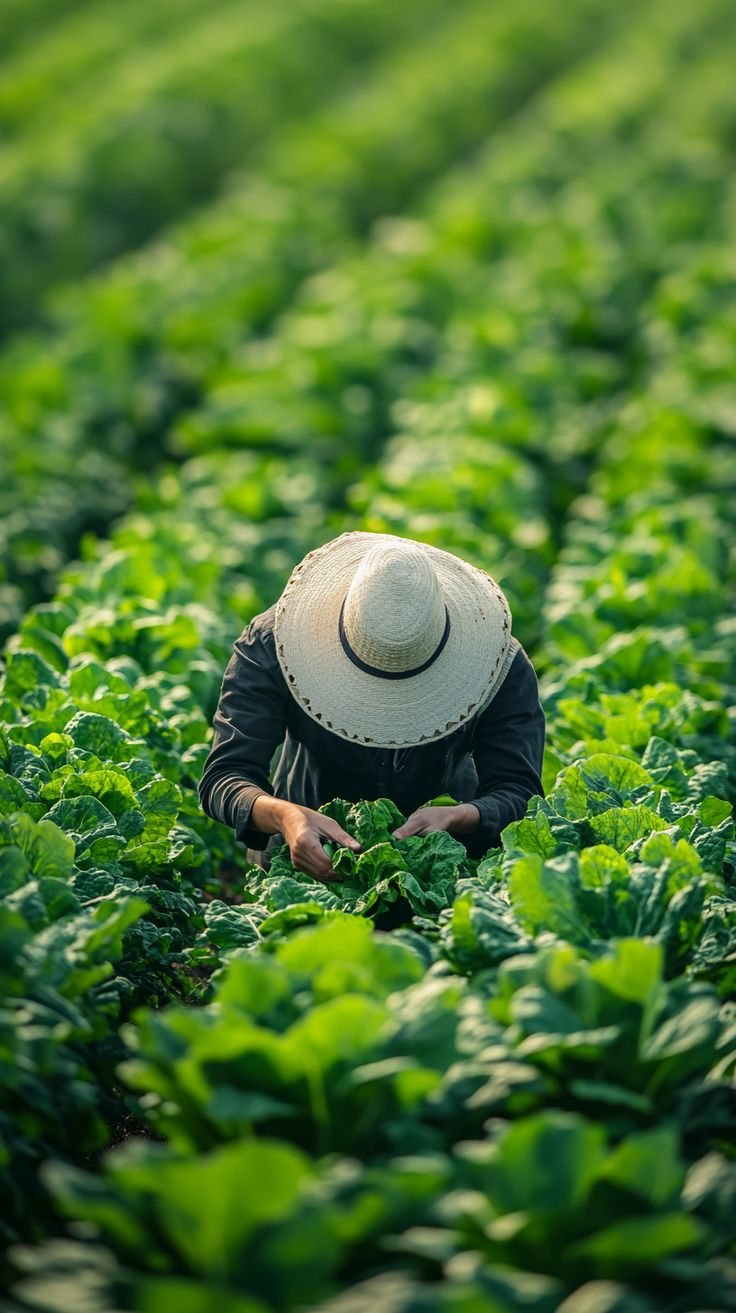
A vigorous tree repels many eggs with sap flow and tissue repair. A tree under chronic drought in the summer of Kerman or Fars, or an urban tree in Tehran whose irrigation share is half what its crown needs, does not have that defence. A large pruning wound left uncovered during the insect's flight season is a ready egg-laying site. Topping — cutting the crown off and leaving a stub in the air — makes both a wide wound and weak regrowth that is attacked again. Deep planting, a pool at the foot of the trunk and compacted urban soil suffocate the roots and send that same weakness up into the trunk. In a young orchard, a sapling with circling roots or a buried collar becomes a target for longhorn and bark beetles from the second year. So the first job in this file is correcting deep irrigation, avoiding untimely wounds and abandoning topping. If you look only at the insect and never at the soil, next year the same holes appear on the neighbouring tree.
- Cut out actively infested branches and trunks and take them out of the orchard; do not stack them beside a healthy row.
- Burn the pruned wood that same season, or chip and dry it so the larvae cannot complete development.
- Abandon topping of both fruit and urban trees; lighten the crown in stages.
- Do not make a large wound near the flight season of the adult insect.
- Irrigate deeply and at longer intervals; intermittent drought invites bark beetles.
- Plant the sapling with the collar above the soil, and do not tie the stake so it chafes the bark.
Injection only for a valuable tree and with a diagnosis
Trunk injection is sometimes raised in the urban spaces of Isfahan and Tehran for an old tree or a valuable street tree, when the pest population is high and the soil or canopy route does not reach the target. Injection puts a new wound on the trunk. Repeating it annually without relieving the drought and compaction perforates the trunk and makes the tree dependent. In a commercial orchard, the cost of injecting individual trees rarely matches the value of one season's fruit; collective sanitation of the row and irrigation usually give a better return. If injection is chosen, the pest species, the timing of sap flow and the trunk diameter must all be defined. A half-dead tree with extensive bark beetle galleries does not survive an injection; that trunk is a source of infestation for the others and must be removed under sanitation. Spraying the canopy against a longhorn larva inside the wood never reaches where the insect lives. If the adult is the target, the short flight window has to be taken from monitoring in that orchard, not from a calendar printed for another climate.
Wood sanitation: the cheapest job with the greatest effect
The larva inside a dried branch or a fallen trunk makes the next generation. In the orchards of Kerman and Fars, stacking pruned wood under a pistachio tree is one of the commonest mistakes. That same wood becomes a source of adult beetles in spring. In the city, do not carry an infested branch to the next park on the landscaping truck. Controlled burning, or removal from the site depending on local permits, must be done in the same season. A standing dead tree with active bark beetles is a danger to a healthy plane on the street; do not confuse it with pest-free deadwood. Put monitoring on the trunk and the thick branches from May to the end of summer: fresh frass, new holes, sudden weakness on one side of the crown. The sooner the infested branch is removed, the fewer galleries reach the main trunk. In Karaj and west Tehran, smallholder orchards that keep pruned wood for fuel usually build that same focus of infestation beside a healthy row.
- Read the tree for irrigation, collar and wounds before you attach a pest label.
- Cut the infested branch back to sound wood and take it away from the orchard.
- Stop topping and heavy summer pruning.
- Correct the irrigation interval so the chronic drought is lifted.
- Consider injection only for a valuable tree with a clear diagnosis.
- Look at that same row again next year; sanitation once is not enough.
A healthy tree sees few beetles. A tree that is thirsty, wounded or badly planted stays a host whatever pesticide it receives.
Longhorn and bark beetles in Isfahan, Tehran, Karaj and the dry orchards of Fars and Kerman are a question of stress far more than of a can of pesticide. Sanitation of infested wood, avoiding topping, correct planting and deep irrigation are the pillars of the work. Injection is the last tool, for a tree that is worth keeping and still alive. In assessing orchards and landscaping, Farin Kesht Taban writes down the source of the weakness first, and only then talks about injection if it is needed.